

















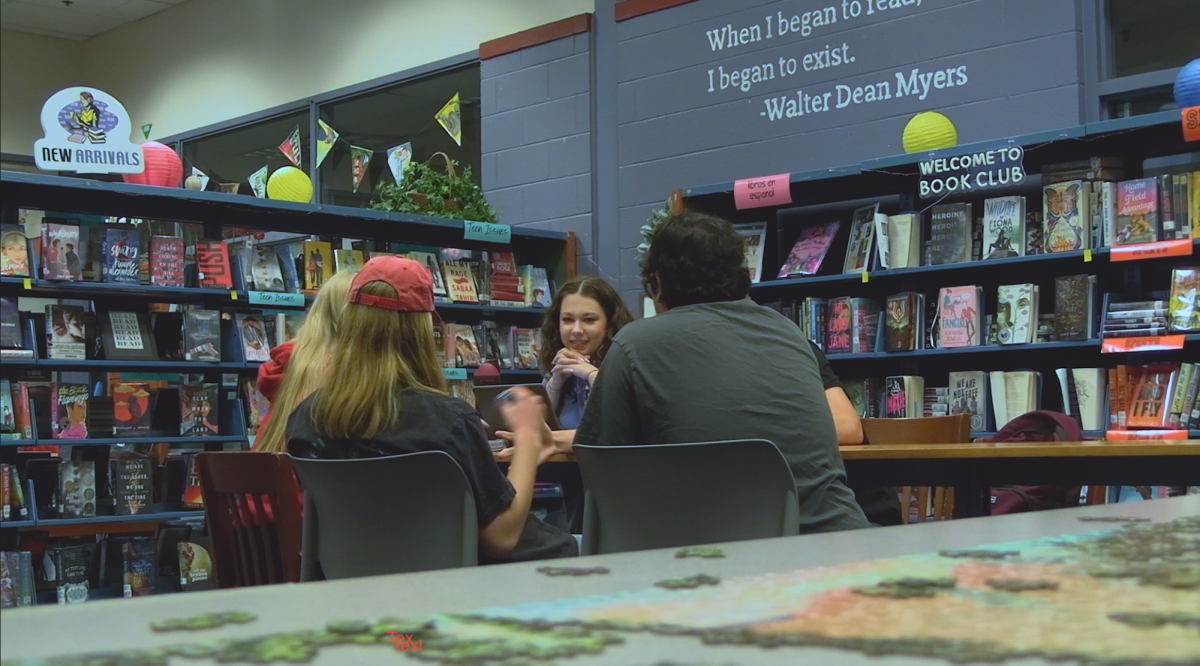


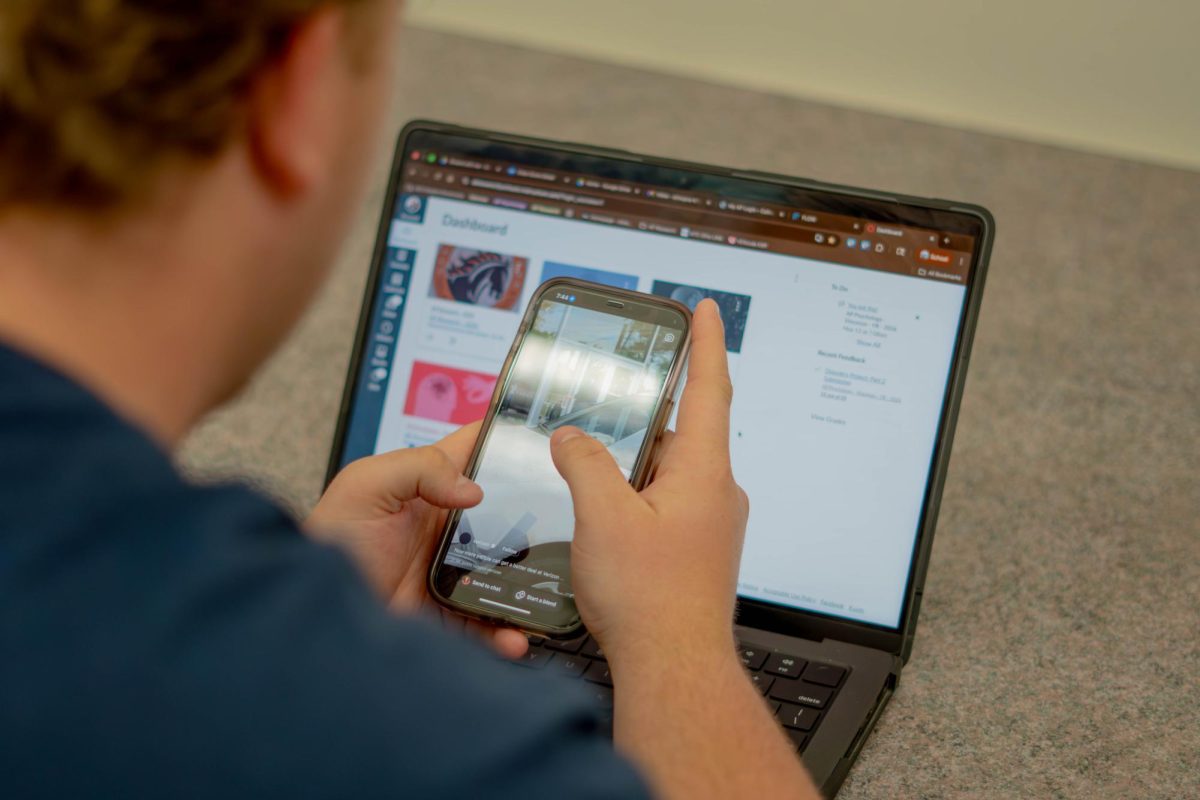
Throughout the school year, students have struggled to stay focused during their classes. A million things occupy their minds, such as family issues, extracurriculars and more. On top of all of that, the rise of electronic devices are constantly pulling their attention away from their academics.
Technology has allowed students to have an almost infinite amount of information available. However, despite all of this content, average reading scores have been on a decline since 2013, while math scores have risen slightly.
“What’s exciting about the modern world of technology is that my generation and your generation, we process visual information faster because we are practicing that more, but with speed also comes the downside,” English teacher Samantha Hunter said. “I think there should be some intentionality behind slowing down and doing one thing at a time and not multitasking all the time.”
Additionally, over the past few years, there has been a large switch towards more short-form content on platforms such as TikTok, Instagram and Youtube. The manner in which many people consume these videos can make it more difficult to focus on tasks and to have patience.
Junior Toben Halford attributes this to why he and many of his peers struggle to focus on school.
“I really think it has to do with the way that media is set up now with a lot of short-form content versus. Like a 30-45 minute episode that you used to watch as a kid, versus now where it’s just a ten-second TikTok,” Halford said.
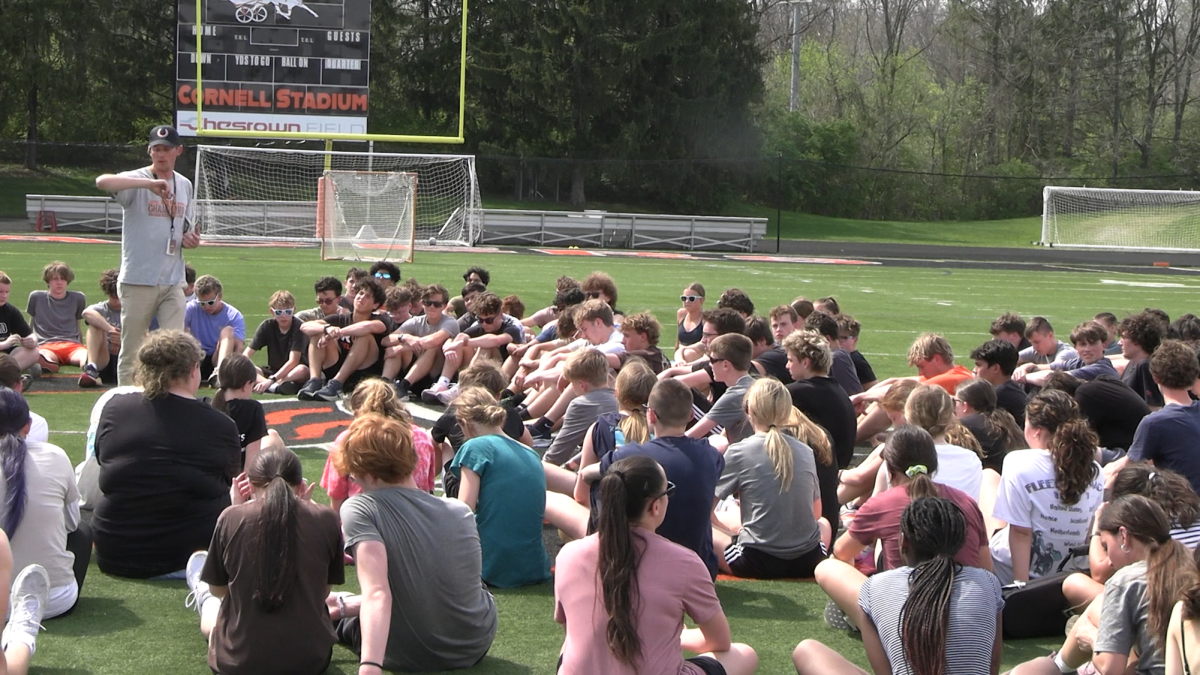
As the year comes closer to an end, Halford said that it’s gotten harder for him to stay focused in class.
“With the closer we get towards summer and also my senior year, I care less and less about my schoolwork, and I would just rather lay there and give up,” Halford said.
The structure of a class can also affect how well students are able to stay engaged. Every student retains information in different ways. This can be through things such as visuals, spoken lectures, reading and hands-on activities. Having a variety of teaching methods and activities can benefit students and improve their focus.
“There’ll be times where it seems like all [students] want is for me to just lecture at the board, and there’ll be times where I do lecture and it’s like [students] would rather be doing anything other than that,” science teacher Riley Jantz said. “So I try to have different things going on on a daily basis during most of the year.”
Hunter said she uses many different methods to keep kids engaged and to ensure their success. To help activate the brain and hold her student’s attention, she focuses on how she transitions between lessons.
“The attention span for an average adult taps out at twenty-five minutes, so I need to then shift…when I’m shifting from a warm-up to a longer lesson, if I can build in a movement break–I did this today– they’re going to pick up their chart to get the second part of the lesson started. So they’re physically getting up,” Hunter said. “I’m [also] going to play music to activate the brain and get another sense going… before I start into something else.”
To try and stay engaged during class, there are many simple methods students can use, such as chewing gum, finding something to fidget with, getting enough sleep and more. For Halford, he finds that rubber bands can help.
“I like to have, like, a rubber band on my wrist during tests, and if I notice myself zoning out, I’ll snap it. It shocks me back to it,” Halford said.
Moving forward, Hayes and its teachers are dedicated to helping students focus and find the joy of learning.
“Enthusiasm is contagious and so, I try to show up here everyday and show people like ‘no really this is wonderful, this is awesome, look at this,’” Hunter said. “…I hope that that translates into longer attention spans.”