















Ohio has taken a huge step in the right direction for its high school athletes.
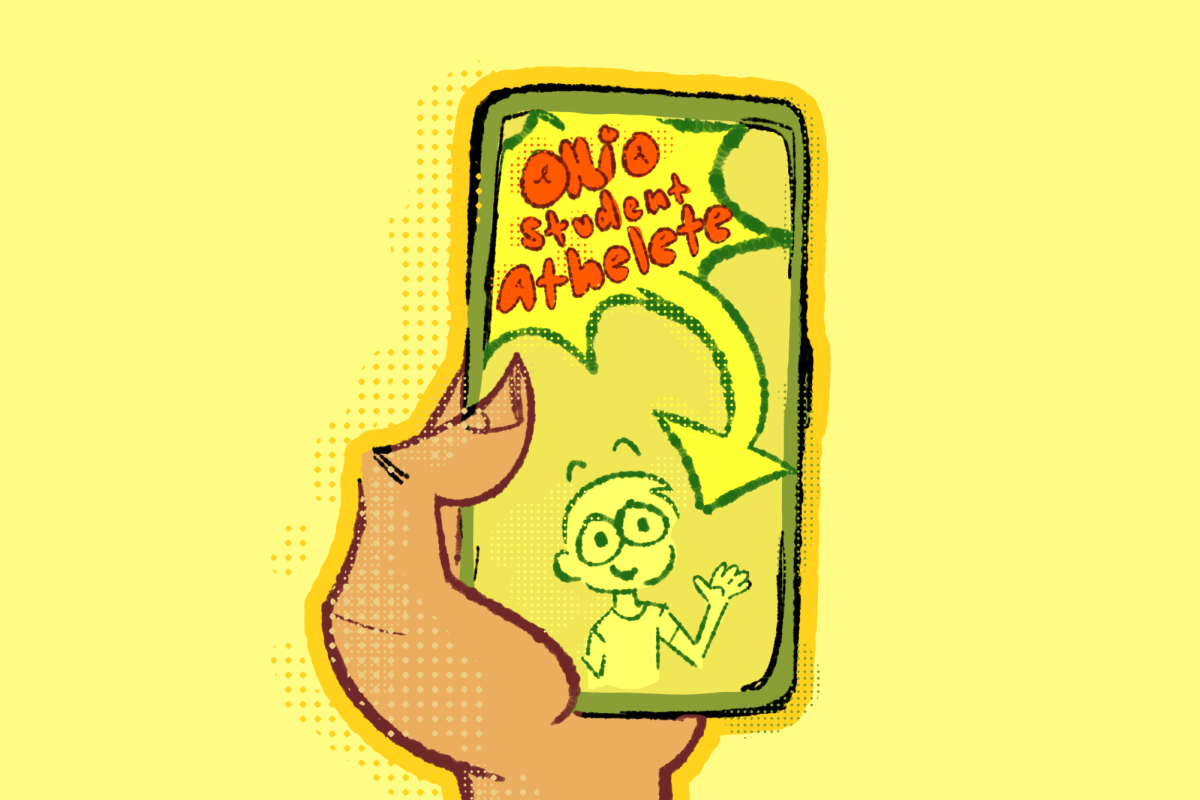
On Oct. 20, a temporary restraining order was placed on the Ohio High School Athletic Association (OHSAA)’s ban on the usage of Name, Image, and Likeness (NIL) contracts.
The issue was brought to Ohio courts by the mother of star athlete Jamier Brown. Brown is a track star and wide receiver for Wayne High School in Huber Heights. Brown is committed to The Ohio State University to play wide receiver and is projected to start as a freshman in 2027.
The restraining order brought about by a Franklin County judge Jaiza Page allows young Ohio athletes to sign endorsement deals with companies in order to use their image to promote a product. After the vote on Nov. 24, the decision was to legalize NIL in the state of Ohio. The votes tallied 447 in favor 121 against and 247 absentees. The passing of this bylaw has allowed the full legalization of NIL deals in high school and has made Ohio the 45th state to legalize NIL.
This will be a tremendous step in the right direction for the state of Ohio and its athletes. For decades now, Ohio has been overlooked in the recruiting world as states such as Texas, Florida, California, and Alabama rule over the majority of the top recruit leaderboards. In fact, 43 of the top 100 high school recruits per ESPN are out of those 4 states.
Ohio is the last “big” football state in the country to legalize NIL and people can tell. It is an honest fact that Ohio just doesn’t have the publicity that larger football states do. With the introduction of NIL for Ohio high school athletics, this can allow the state’s high achieving athletes to get the publicity that they deserve and, in the long run, show the rest of the country that Ohio produces talent that can stand against the best.
Furthermore, the passing of this bylaw will not affect how the schools operate within their programs. Athletes utilizing NIL contracts are not allowed to utilize their school name or OHSAA in their deals. They also are not allowed to engage in contracts with high school coaches, administrators, and other people within the district. Student athletes are not allowed to participate in NIL activities such as appearing in ads or commercials during school hours.
The overarching good that NIL brings to the publicity of Ohio student athletes is so much more than the harm it could cause. The fact that students are able to profit off of their hard work and athleticism is a step in the right direction. Also, by limiting high school coaches from financially supporting students, this eliminates competition between schools for athletes. Students also can’t profit during school hours which, in turn, allows the high schools to stay separate from their NIL deals.
Ultimately, NIL in the state of Ohio is a necessity in order for Ohio athletes to thrive.