



























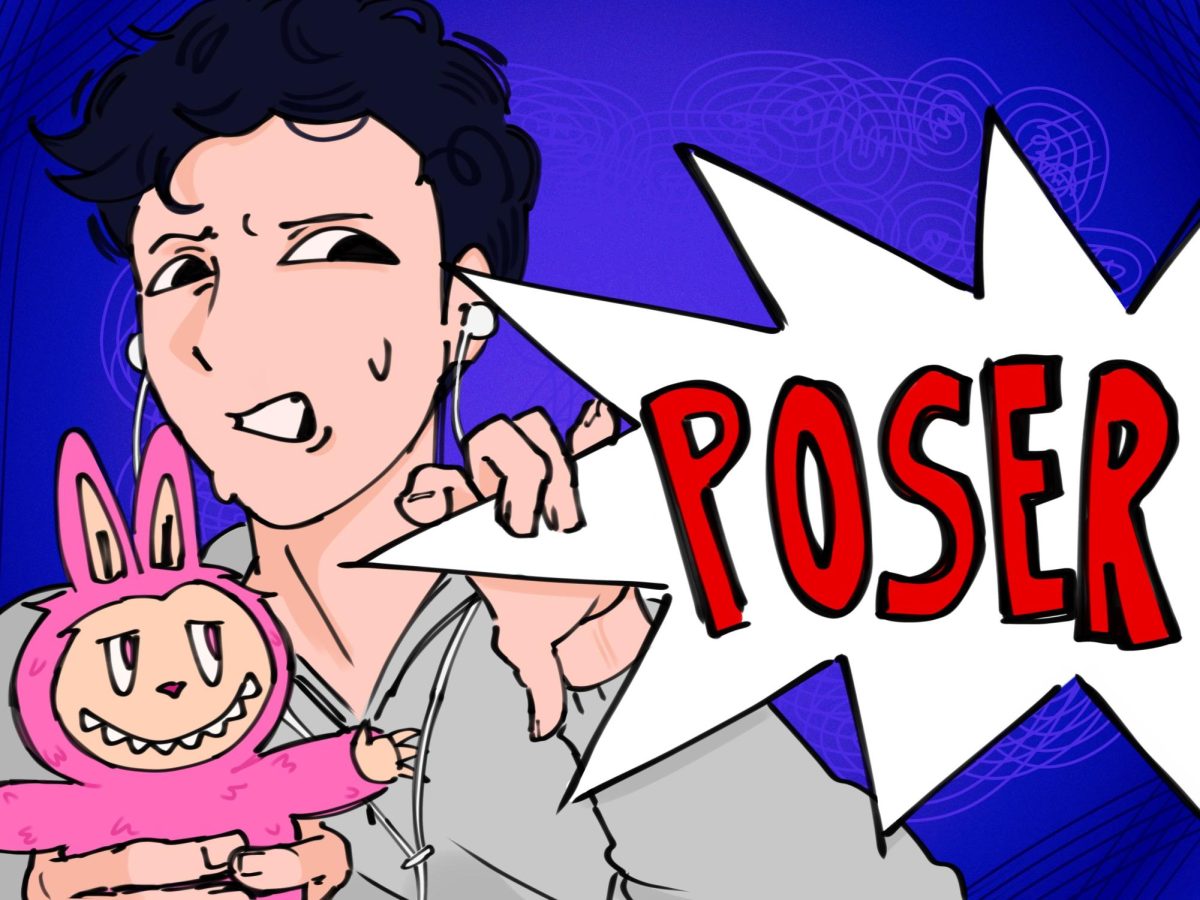
The performative male stereotype has appeared all over the internet with their feminist literature, tote bags and Clairo. Videos, mostly on Instagram and TikTok, have been made making fun of them, saying that men who act like they’re into things like Labubus and matcha are “performing” to impress girls.
However, what started as a lighthearted way to expose these alleged performers has the potential to evolve into being harmful to some men who actually have these interests, and there may be a deeper reason as to why this stereotype exists.
The concept of a performative male is subjective, because, really, everybody is performing. Every day, people wake up and choose their outfit and accessories based on how they want to be perceived.
It isn’t a new thing to want to dress or look a certain way to appeal to others, and it is important to be aware of people who pretend to be interested in things that they actually couldn’t care less about. However, this isn’t always the case with people who have been labeled as performative.
With how much the stereotype has blown up on social media, “performative males” have been spotted all over the world, but many of them may not be performative. It’s impossible to make a conclusion about someone based purely on their appearance.
It may not seem like a huge deal if a stranger makes an unfair judgment about someone, and it happens all the time. But one negative post about someone can ruin their life and indirectly ruin the lives of others. Filming a video calling an unsuspecting stranger a performative male is not only an invasion of their privacy, but also may cause viewers to start making unfair judgments about similar people they see out in public.
A big part of their increased popularity comes from performative male contests that occurred all over the U.S. and even in Canada. People competing in these contests dressed like what they deemed to be a performative male and were asked questions about things like the indie artist Clairo and feminist literature. The person who had the best outfit and was able to answer the most questions won.
The fact that the winners were the ones able to answer questions correctly is contradictory to what a performative male is supposed to be. The whole concept of a performative male is that they pretend to be into more feminine things without actually knowing anything about them. So really, the winners of these contests, in attempts to become performative, became the opposite.
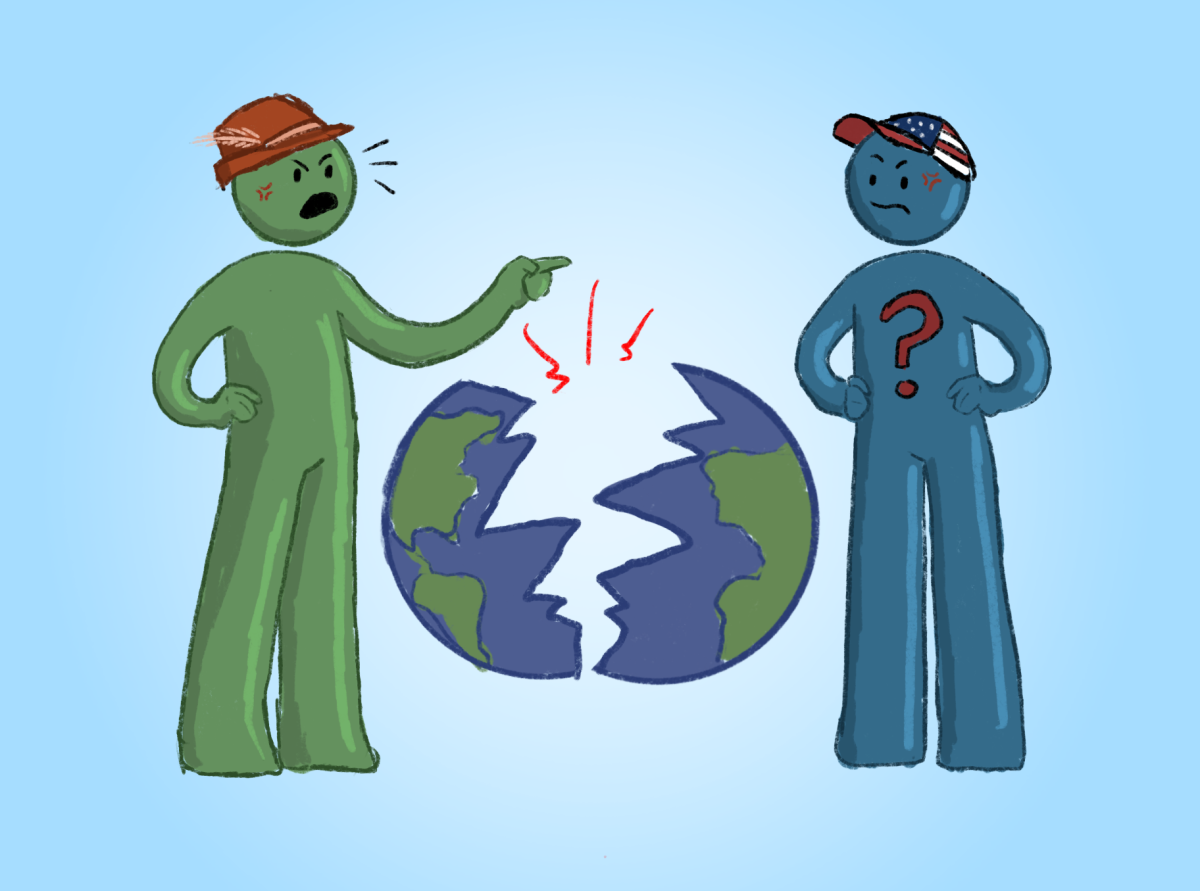
With the rise of “alpha males” like Andrew Tate and Nick Adams whose entire ideology is based around conservatism and keeping gender norms, it’s not surprising that there has been a rise in people wanting to break away from that. It’s also not surprising that people would be suspicious of them.
Moving towards the future, it’s important to be able to separate posers from those who are genuine. Before making an assumption about someone based on their interests or how they dress, maybe have a conversation with them or ask them a few questions about what they’re interested in.