



The city of Minneapolis, Minnesota, has been heavily targeted by ICE agents this past winter. Secretary Kristi Noem of the Department of Homeland Security (DHS) said that, in the six weeks leading up to Jan. 19, ICE had detained 3,000 people from the city. Called “Operation Metro Surge,” the DHS’s immigration crackdown was focused on detaining and deporting undocumented immigrants living in the area.
High school junior Ben Ebinger, who lived in the heart of Minneapolis for 15 years and now lives in its twin city of Saint Paul, spoke about how his community and friends were impacted by ICE’s presence in the city.
When he first heard about ICE heading towards his home in early January, Ben was surprised.
“I was like, why here? Because we have a pretty low undocumented immigrant population,” Ebinger noted.
He’s right. According to the Immigration Research Initiative, Minnesota isn’t even in the top twenty states with high unauthorized immigrant populations. Yet, the federal government started the “largest immigration operation ever” there with around 2,000 agents sent to Minneapolis alone.
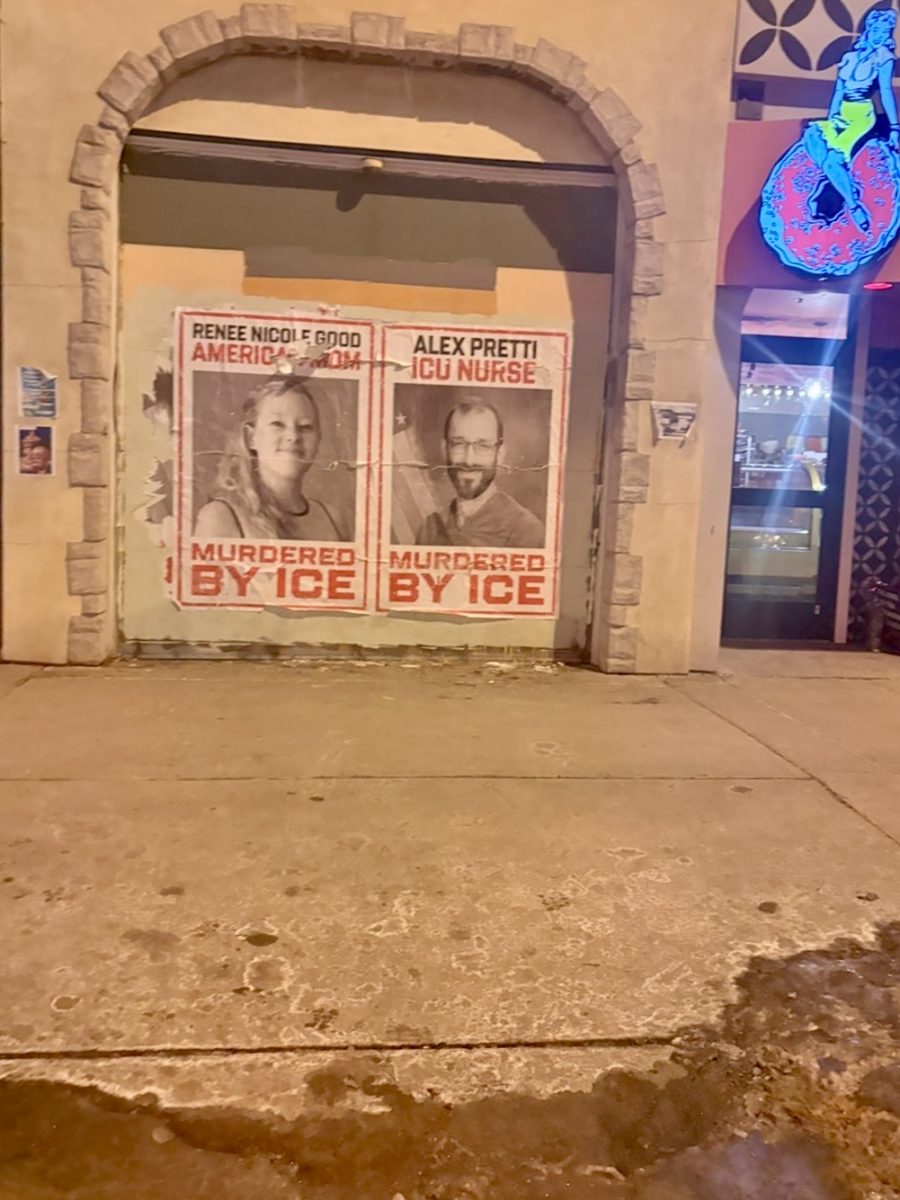
During ICE’s time in Minnesota, two U.S. citizens, Renee Good and Alex Pretti, were shot and killed. A third man shot, Julio Cesar Sosa-Celis, who, according to DHS, is an undocumented “criminal” that fled from an agent, was injured.
“The first week [ICE started cracking down] was absolutely crazy,” Ebinger said. “They were [seemingly] breaking laws, and then Renee Good was killed. That sparked so much outrage. I was furious and everybody around me was furious. And then it just snowballed from there, because it’s gotten worse and worse.”
While Good was not the first person shot by ICE while inside a vehicle, her death sparked nationwide outrage, especially due to the video footage that was available from the scene.
“I think people removed from the situation don’t really have a grasp on how evil it is,” Ebinger said. “[I can see] my sister’s preschool in some frames of the video of [Good’s death]… [The day before] Alex Pretti was killed, [my family] got donuts from the [same] street. There’s an aspect of dehumanization [that stems from ICE’s presence.]”
In an interview with NBC on Feb. 4, Trump stated that, regarding the shootings, his administration could use a bit of “a softer touch” when dealing with immigration enforcement. However, he still encourages officers to be “tough.” Overall, Noem called the operation “a huge victory for public safety.”
Conflict surrounding ICE within Minneapolis is reminiscent of the fallout from George Floyd’s killing in the very same city just years ago. In both instances, nationwide frustration was sparked through a recorded video of a death.
“In 2020… I had to bike past George Floyd’s memorial every single day in the summer,” Ebinger said. “And now, it’s so directly in my community that every time I drive to go hang out with my friend, I drive past a place where another man, [Alex Pretti,] was shot.”
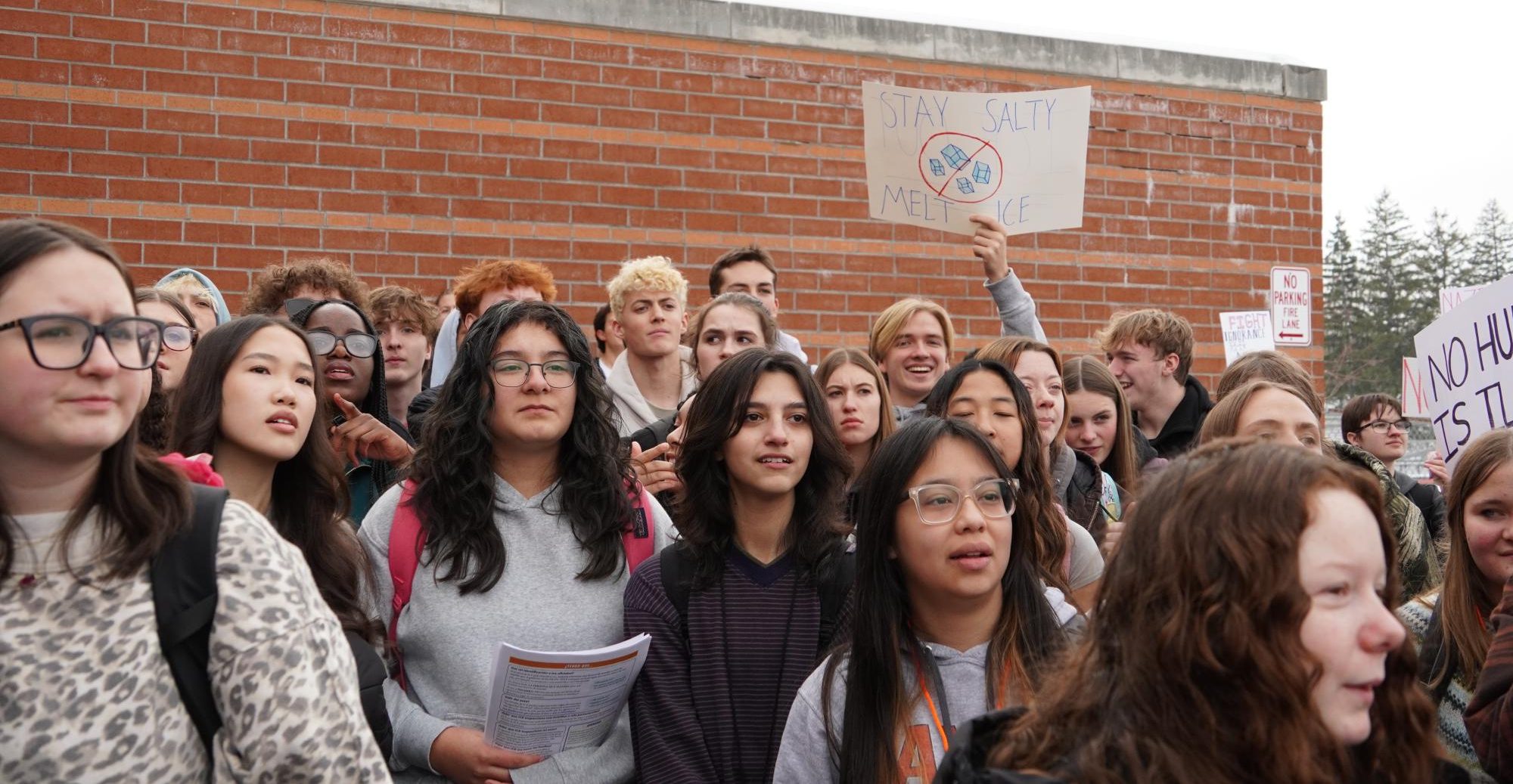
Ben knows many students that aren’t able to participate in activities out of, as he put it, “a very rational fear” of ICE.
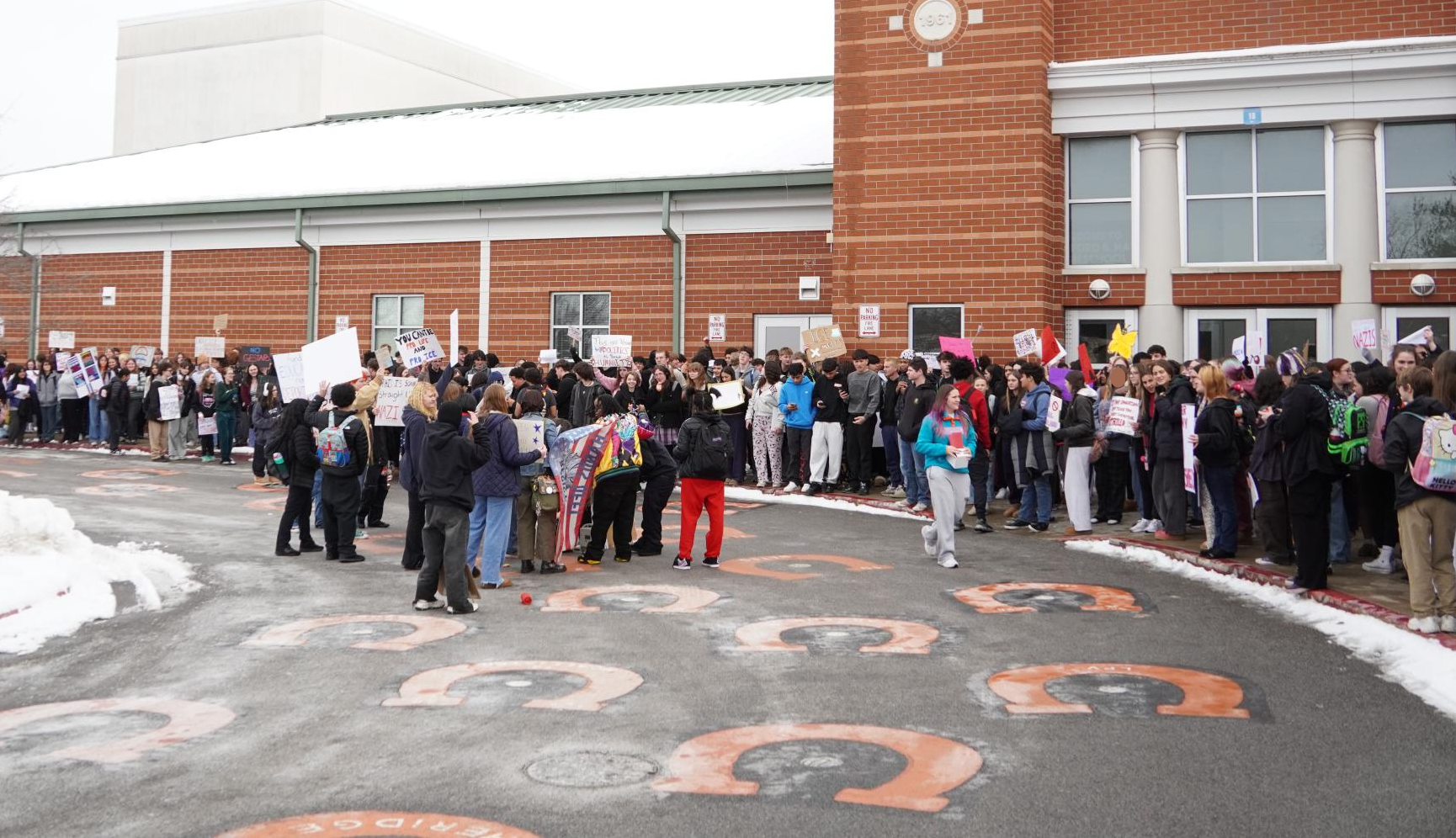
“I have a lot of friends that are people of color, and they talk about how they’re scared,” Ebinger said. “They won’t attend a protest because they’re scared that they’re going to be taken.”
He knows families that couldn’t leave their house to go to work or school due to their fear of being targeted.
“It’s a direct example of being financially harmed, because they can’t safely do their job,” Ebinger said. “Instead, they’re just sheltering in place.”
In response to the strain placed on students, Ben’s district, St. Paul Public Schools, put a new grading policy in place for the quarter so student’s GPA’s could not decrease due to missing school.
“It’s a quieter environment, I’ll say that,” Ebinger said. “You’d walk into some [classes and it would] be almost entirely empty.”
Aside from the grading policies, parents volunteered to stay on school buses to make sure kids arrived home safely. There was even a group of community members who would take shifts watching the school to alert of any ICE activity.
“It’s actually really heartwarming because, throughout all of this stuff, I’ve seen a community that is so loving and has risen up so well,” Ebinger said.
After over a month of presence, Tom Homan, appointed “border czar” by President Trump, announced that ICE’s focus on Minnesota will start to draw back and eventually end. White House press secretary Karoline Leavitt declared the operation “a resounding success” and that ICE had succeeded “in the detention and deportation of more than 4,000 illegal alien criminals.” According to PBS, as of Feb. 15, Homan said that over a thousand ICE agents have already left MN and more will follow.
In terms of advice for other communities going through a similar situation, Ben said this:
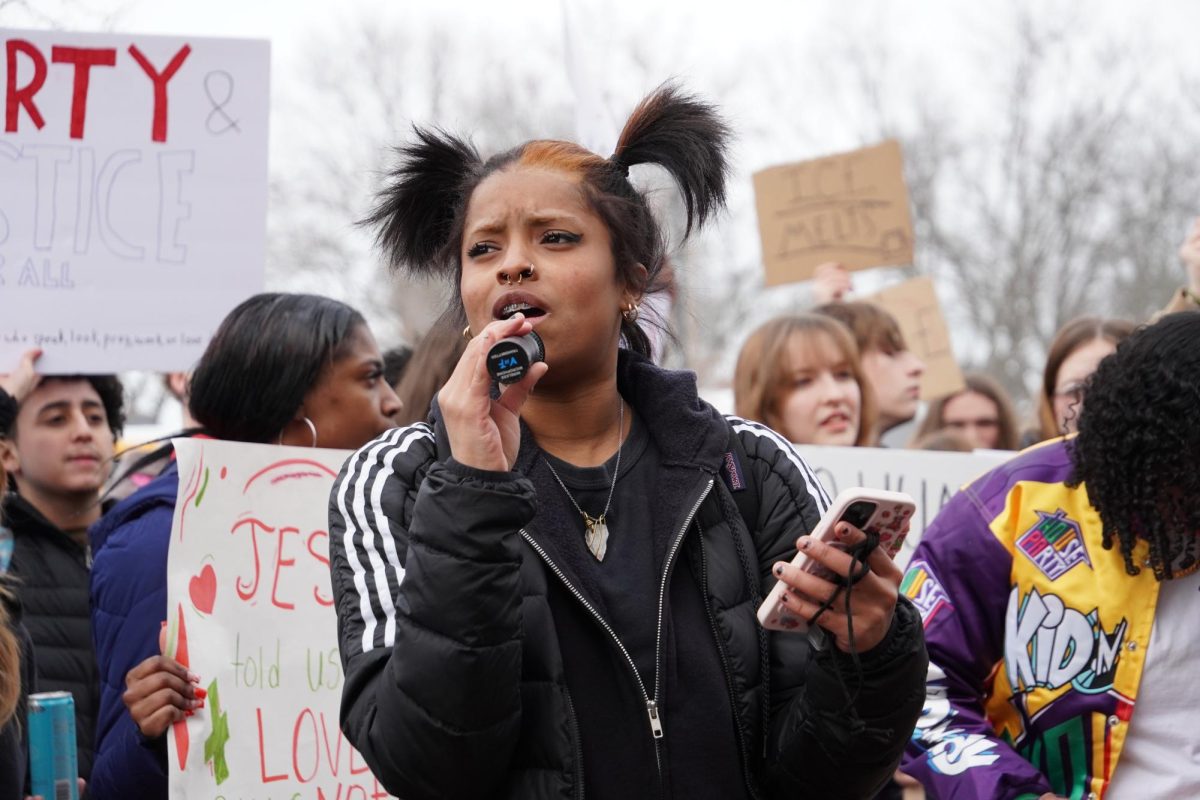
“Don’t lie down and let them kick you,” Ebinger said. “Protect your fellow classmates and protect your communities. Organize and protest against [ICE] and show that they’re not wanted, peacefully.”
Your donation will support the student journalists of Rutherford B. Hayes High School. Your contribution will allow us to purchase equipment and cover our annual website hosting costs.